Dreamy Script: A Web Designer’s Review of This Elegant Typeface
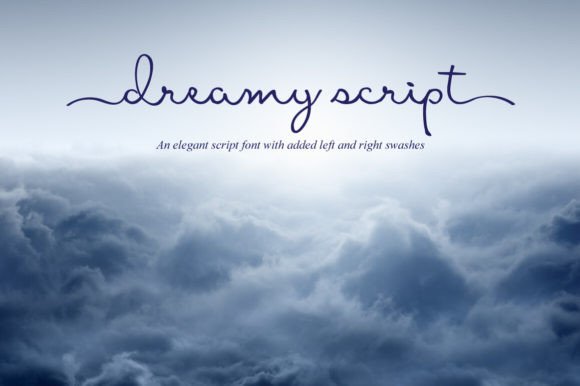
I was recently redesigning a landing page for a client in the wellness coaching space. The goal was to create a sense of serenity and personal connection, moving away from the overly corporate feel of their old site. As I experimented with headline fonts, I kept searching for a typeface that felt warm and inviting, yet still professional. That’s when I decided to test Dreamy Script. Placing it in the hero section, over a soft gradient background, immediately changed the entire mood of the layout. The hand-drawn, flowing letters introduced a human touch, suggesting handwritten notes rather than cold digital text. It was the perfect pivot point for the project.
Where Dreamy Script Thrives in Digital Design
Dreamy Script is a display font with a distinctly elegant personality. Its flowing baseline and gentle letterforms create a soft, approachable mood that is perfect for brands wanting to convey creativity, care, or personal service. In web design, it excels in specific, high-impact areas where you want to capture attention and emotion quickly.
Hero Sections and Landing Page Headlines
This is where Dreamy Script truly shines. On a homepage or a product landing page, using Dreamy Script for your main headline establishes an immediate emotional tone. For a boutique online store selling handmade goods, a headline like “Beautifully Made” rendered in Dreamy Script feels authentic and aligns with the product story. For a coaching or creative portfolio site, a headline such as “Find Your Creative Voice” gains a personal, encouraging quality. The font acts as a visual handshake, welcoming the user in.
Decorative Accents and Call-to-Action Text
Beyond main headlines, Dreamy Script can be used thoughtfully for supporting typography. It works beautifully for short, impactful phrases on website banners, for stylizing key values or testimonials in sidebars, or even for the main text on a prominent button, like “Reserve Your Spot” on a course sales page. However, it’s crucial to keep these uses limited to short phrases. The font’s decorative nature means readability can suffer if used for longer sentences, especially on smaller mobile screens.
Branding and Logo Integration for Websites
Many small businesses and creative entrepreneurs use their website as their central brand hub. Dreamy Script can serve as a fantastic logo font or as a complementary brand typeface for digital assets. Using it consistently across your site’s main title, your email newsletter header, and your social media graphics creates a cohesive, recognizable brand identity. It tells a consistent story about your brand’s style.
Readability and Technical Considerations for Web Use
Working with a script font like Dreamy Script on the web requires a practical eye for usability and performance.
First, consider size and contrast. Dreamy Script needs ample space to breathe. When placed over website images or backgrounds, ensure there’s strong contrast between the letter color and the background. A light script on a dark, muted image background works well; a dark script on a light, textured background can also be effective. Avoid busy backgrounds that make the delicate letters hard to distinguish.
Second, mobile responsiveness is key. Always test your headlines and accents containing Dreamy Script on multiple screen sizes. What looks elegant and clear on a desktop monitor might become cluttered or illegible on a smartphone if the size is reduced too much. Often, you may need to slightly increase the font size for mobile views or adjust the surrounding layout to give it more margin.
Third, understand its limitations. Dreamy Script is not suitable for body copy, navigation menus, form labels, or any dense informational text. Its elegant swirls are designed for display purposes. Using it for paragraphs would harm readability, scanning behavior, and overall user experience. It’s also not ideal for critical interface elements where clarity is paramount, such as error messages or instructional text.
Crafting a Balanced Digital Type System
A beautiful display font like Dreamy Script needs strong partners to create a balanced, functional website. This is where font pairing becomes essential.
For most modern websites, pairing Dreamy Script with a clean, highly readable sans serif font is the best approach. The sans serif handles all the heavy lifting: body text, navigation, forms, product descriptions, and blog posts. This pairing creates a clear visual hierarchy. The Dreamy Script headline captures the heart, and the sans serif body copy delivers the information clearly.
For a more editorial or classic feel, such as for a writer’s portfolio or a luxury brand site, you might pair Dreamy Script with a simple, complementary serif font for body copy. The key is to ensure the supporting font is simple enough not to compete with the script’s decorative nature. The combination should feel intentional and harmonious, not chaotic.
Practical Steps Before Implementing Dreamy Script
Before committing to using Dreamy Script on a live website or client project, a few technical checks will ensure smooth implementation.
- Verify webfont formats. Ensure the font license includes permission for web use and that standard webfont files (like WOFF2) are provided for optimal performance and cross-browser compatibility.
- Check for alternates and ligatures. Many premium script fonts include alternate characters or ligatures that can add variety and prevent repetitive letter shapes in logos or repeated headlines. Explore these in your design software before finalizing.
- Confirm multilingual support. If your website or client’s site needs to support characters beyond standard English (like accents or specific currency symbols), verify the font includes those glyphs.
- Review the commercial license. If you are using the font on a commercial website, for a client’s business, or within a digital product you’re selling, you must have the appropriate commercial license. This is a critical step for professional and legal use.
Ultimately, Dreamy Script is a powerful tool for web designers looking to inject warmth and elegant creativity into digital spaces. It transforms sterile headlines into inviting messages and helps brands communicate their personality at the very first glance. By using it strategically—in hero sections, as decorative accents, and within a strong, paired type system—you can create websites that are not only beautiful but also functionally sound and deeply engaging for the user.